
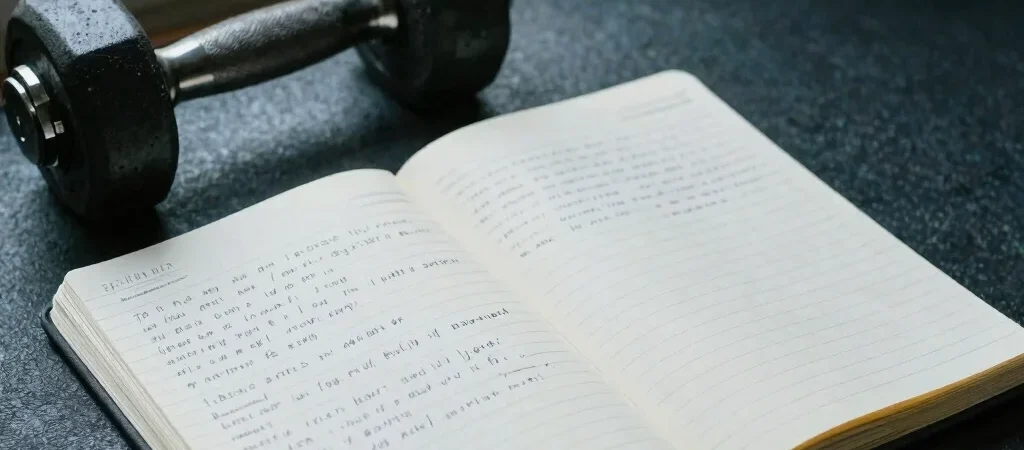
A workout can look tidy in your head and come out differently once you’re in the room. That’s why I want this log to capture what I actually did: the exercises, sets, reps, and any changes I made along the way.
Write Down The Session
A useful entry needs more than “strength training.” I’ll note each movement and the work completed, then add a brief detail if something changed, such as swapping an exercise or stopping a set early. The point isn’t to make every day look impressive; it’s to make the record honest.
Keep The Context Close
A daily log can sit beside a progress picture and a note about the day, without pretending those things tell the whole story. Sleep, time, and how a session felt can help explain why two workouts on paper aren’t quite alike. I’ll keep those notes plain and short.
Progress Includes Showing Up
Some entries will describe a stronger session; others may simply show that I made it in and wrote the details down. Over time, the day-by-day record should make patterns easier to notice than memory alone. For now, the next step is simple: record the session that happened, not the one I meant to do.